Il Paese Nella Storia
di Luigi Elefanti
ORIGINI PRE-ROMANE
Gli storici sono ormai concordi nel ritenere che nel nostro comune vi fossero insediamenti stabili risalenti all’epoca pre-romana.
Non vi sono prove documentarie o archeologiche che possano confermarlo. L’ipotesi ormai accettata trova fondamento nella particolare desinenza “-ago” e “igo” con cui termina il nome del capoluogo e molti dei nomi dei luoghi circostanti.
Secondo i linguisti si tratta di una desinenza di origine celtica frequente in quelle zone dell’Italia settentrionale ove maggiore è stata l’influenza dei Celti prima dell’arrivo dei Romani. La reiterazione con cui questa desinenza si presenta nei luoghi limitrofi al nostro paese – Gravanago, Stefanago, Salterigo, Inveriago, Cavalarigo, Primorago, Polinago rafforza l’ipotesi di una notevole influenza celtica, prima ancora che romana, nella zona. Si può quindi ragionevolmente avanzare l’ipotesi dell’esistenza nel nostro territorio di duraturi insediamenti celtici, da cui ebbero origine le località attuali. I Romani poi mantennero e latinizzarono questi nomi.
CLIMA COLLINARE ED ACQUA DI BUONA QUALITA’
I Celti o Galli provenivano dalla Francia e si insediarono nella pianura padana fra il V ed il IV sec. a. C. . Pertanto si può far risalire a questo periodo la presenza, nel territorio del nostro comune, dei primi insediamenti di gruppi umani organizzati.
Fortunago godeva, indubbiamente, di una localizzazione favorevole. E’ lontano dalle aree acquitrinose e paludose che abbondavano nelle zone pianeggianti a ridosso del fiume Po; ed il clima temperato della zona collinare lo metteva al riparo dei rigori dell’inverno, caratteristici delle località montane. Non va trascurata, infine, la presenza di una sorgente perenne di acqua di buona qualità che ha sicuramente incoraggiato l’insediamento di un agglomerato stabile di persone. La collina ove sorge l’abitato è formata da pietra arenaria che costituisce un terreno asciutto e solido. Dal suo spianamento è stato possibile ottenere una superficie piana adatta ad ospitare un nucleo abitativo. L’area posta a Sud del rilievo collinare era facilmente irrigabile tramite canalizzazione dell’acqua della sorgente ed era quindi adatta alla coltivazione di orti e piante da frutto, questi prodotti della terra costituivano per i paesani un valido sostegno alimentare. Dallo spianamento della sommità collinare si poterono ottenere pietre di diversa grandezza adatte alla costruzione dei muri a secco del castellaro che difendeva gli abitanti dalle minacce esterne. Attorno al paese si estendevano boschi che fornivano ghiande, funghi, frutti selvatici legname per la costruzione ed il riscaldamento degli edifici. Gli altri materiali da costruzione delle abitazioni: argilla e paglia erano facilmente reperibili nelle immediate vicinanze del rilievo collinare. I Celti erano uomini bellicosi, però avevano anche sviluppato tecniche agricole abbastanza evolute per quei tempi. Essi costruivano ed utilizzavano attrezzi agricoli di metallo: vanghe, zappe, rastrelli, roncole, falci, simili nella forma a quelli oggi in uso, con questi utensili erano in grado di dissodare adeguatamente il terreno. Essi, quindi, non si limitavano alla raccolta dei frutti spontanei della terra: frutta, tuberi, funghi, ed all’allevamento di capre e di porci allo stato brado; ma, grazie allo sfruttamento agricolo del suolo, poterono ottenere nuove risorse alimentari che permisero di migliorare il loro livello di vita. Riuscirono, così, a superare quella condizione seminomade che aveva caratterizzato la loro storia precedente dando vita, anche nel nostro comune, ad un nucleo abitativo stabile organizzato attorno al castellaro. I castellari o castellieri erano frequenti nei rilievi appenninici e prealpini. La sommità dell’altura era circondata da muri a secco larghi 2 metri alla base con una altezza compresa fra i tre e gli otto metri. Erano realizzati con grandi blocchi di pietra, i conci di minori dimensioni erano utilizzati nei riempimenti esterni, mentre le scaglie servivano come zeppa. Sul pianoro erano costruite le abitazioni e ricoveri per gli animali in caso di pericolo. La maggior parte delle abitazioni aveva le pareti in legno, fra i pali orizzontali, infissi nel terreno, si creava un graticcio di frasche che era, poi, ricoperto di argilla in modo da isolare l’interno dalle intemperie, il tetto era sostenuto da travi, anch’esse in legno ed era ricoperto da cannucce di paglia, segale o ginestra; il pavimento era di terra battuta. Altre case erano costruite sul rilievo accanto alle mura realizzando piccoli spianamenti difesi da muretti di contenimento realizzati per lo più a secco o con scarso uso di leganti: limo sabbioso o argilla. Lo storico pavese Siro Severino Casoni disegnò, nel 1782, una tavola che rappresentava il territorio pavese all’epoca in cui era abitato dalle popolazioni dei Levi e dei Marici, di stirpe celtica. Nella tavola compare Fortunago con la dizione “Aedes Fortunas”, casa della fortuna.
LA PRESENZA ROMANA
La fine della seconda guerra Punica (197 a.C.) sancì la definitiva sconfitta dei Celti ad opera dei Romani. A differenza di quella celtica la presenza romana nella nostra zona è storicamente documentata da memorie storiche e reperti archeologici. Nella frazione di Cappelletta, nell’alta valle Ardivestra sono stati rinvenuti reperti di origine romana. Nel capoluogo, inoltre, è conservata una lastra in pietra arenaria con una bella testa leonina scolpita. Si tratta, con tutta probabilità, di un cippo di confine, risalente al periodo romano. Nel secolo XX esso era posto accanto a villa Nassano, recentemente ha trovato una più adatta collocazione nel piccolo cortile posto sul fianco destro del Palazzo Municipale. Secondo una tradizione orale il nome del capoluogo deriverebbe dalla presenza di un tempio pagano posto all’ingresso del paese.
La stabile presenza a Fortunago e Stefanago dei Corti, famiglia patrizia arrivata nel nostro paese al seguito delle legioni romane, induce a ritenere che esso godesse, in quel periodo, di una certa prosperità, ed abbia avuto un ruolo importante nella vita della valle Coppa.
Nel periodo imperiale (IV sec. d. C.) Fortunago faceva parte dell’Emilia, provincia romana il cui centro principale era Piacenza. La caduta dell’impero romano ed il periodo delle invasioni barbariche costituiscono un periodo buio per la storia del nostro paese.
 L’INFLUENZA DEI MALASPINA
La prima citazione del luogo in un documento ufficiale risale all’anno 758, nel periodo della dominazione di Carlo Magno re dei Franchi Fortunago apparteneva al contado di Tortona.
Nel 950 Fortunago era soggetto all’autorità di Oberto, marchese della Liguria e vescovo–conte di Tortona. Comincia in quel periodo la signoria degli Obertenghi–Malaspina, che si protrarrà, pur con qualche interruzione, per oltre 350 anni. (3) albero genealogico Malaspina
L’influenza dei Malaspina sull’Oltrepò fu notevole, tanto che in due secoli, a cavallo dell’anno Mille, venne da essi costruita una serie di castelli e rocche fortificate, atti a garantire la sicurezza del signore del luogo e dei territori a lui assegnati. In quel periodo vennero costruiti molti castelli, i più antichi furono sicuramente quelli di Oramala e Valverde; furono anche fortificati numerosi borghi oltrepadani fra i quali Fortunago. La presenza di questa vasta catena di fortilizi conferma l’influenza che la casata Malaspina ebbe, fin dal suo nascere, sulla valle Staffora e, più in generale, sull’Oltrepò. Si trattava di opere difensive e di avvistamento volte a garantire la sicurezza del signore nei confronti delle fazioni avverse. Queste fortificazioni erano costruite nei punti nevralgici delle vie di comunicazione del tempo e permettevano un costante controllo del territorio, consentendo di individuare tempestivamente il passaggio di truppe nemiche, di carovane, o di semplici viaggiatori. Nel 1191 Federico II assegnò Fortunago al Principato di Pavia, questo legame sarà mantenuto per circa sei secoli. (4) Editto Federico II
Il castello di Fortunago è documentato a partire dal XII sec. Era costituito da una cinta muraria che cingeva la sommità della collina, al suo interno vi era la residenza del signore, chiamata dongione. Si trattava di una vera e propria casaforte che rappresentava anche l’ultimo baluardo di difesa in caso di attacco di bande di briganti o di truppe nemiche. Accanto al dongione, con tutta probabilità sul lato nord delle mura, vi era la torre di avvistamento. Questa torre unitamente alle altre dei castelli limitrofi: Stefanago, Montalto Pavese, Zavattarello, e Valverde, permetteva di trasmettere rapidamente, da un fortilizio e l’altro, notizie ed avvistamenti nemici. Altre abitazioni, più misere, sorsero a ridosso della cinta muraria, sul versante Sud della collina, che godeva di una migliore insolazione ed era meglio riparato dai venti. Esse costituirono il primo nucleo del borgo che ebbe ulteriore sviluppo nei secoli successivi. L’esposizione “a solivo” consente una migliore e più duratura illuminazione, questo nell’antichità costituiva un vantaggio molto apprezzato.
Nel 1220 viene menzionata la “curte Furtunaghi” attorno al castello si era quindi sviluppato un nucleo abitativo che era autosufficiente sia per quel che riguarda la sua difesa, che per il suo sostentamento. Una ulteriore conferma dello sviluppo del luogo è data dalla presenza, al partire dalla fine del sec. XIII, di notai a Fortunago. In un documento del 1319 è citato il “castrum fortunaghi”, questa dizione indicava un castello da difesa ovvero un fortilizio atto a proteggere i villici dalle minacce esterne. All’inizio del sec. XIV, inoltre, venne costruita la chiesa, essa era localizzata sul lato Sud della collina, nella stessa posizione di quella attuale, ma era di dimensioni minori rispetto alla Parrocchiale odierna.
PERIODO VISCONTEO E VERMESCO
Durante il periodo visconteo diversi signori si alternarono nel dominio di Fortunago. Oltre ai Malaspina citiamo i marchesi di Monferrato, la famiglia pavese Giorgi e i Pico della Mirandola.
Il 1 dicembre 1400 costituisce una data molto importante per la storia del nostro paese: quel giorno, infatti, il feudo di Fortunago venne acquistato dal conte Jacopo dal Verme. La signoria dei dal Verme non fu molto lunga: ebbe, infatti, termine nel 1485 con la morte misteriosa del conte Pietro, ma riveste un profondo significato per lo sviluppo che il paese ebbe in quel periodo. Fortunago divenne, infatti, un caposaldo molto importante del sistema difensivo oltrepadano predisposto dai conti dal Verme.
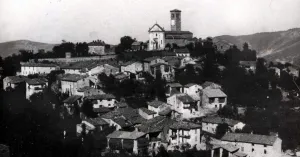
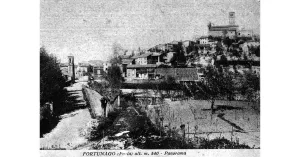
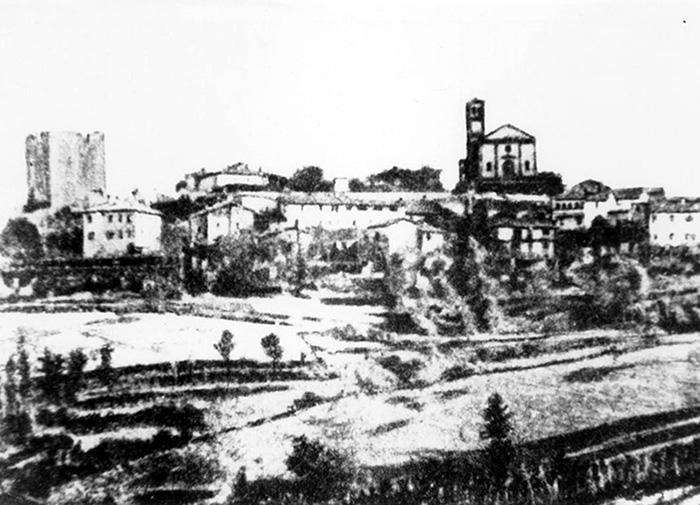
Si ritiene che in questo periodo siano stati fatti importanti lavori di rifacimento del castello, che era stato con tutta probabilità seriamente danneggiato durante le lotte fra i Visconti ed il marchese di Monferrato (fine sec XIV). Alcuni storici dell’Ottocento fanno risalire la costruzione del fortilizio di Fortunago alla fine del sec. XIV ad opera di un Pico della Mirandola. Come descritto in precedenza la costruzione della rocca risale ad almeno due secoli prima, pertanto sembra più corretto affermare che si trattò di una parziale ricostruzione e di un ampliamento. La signoria di un Pico della Mirandola, capitano di ventura al servizio dei Visconti, ebbe una breve durata, probabilmente pochi anni, ed appare quindi inverosimile, se non altro per motivi temporali, che in quel breve periodo si sia messo mano ad una impegnativa opera di ricostruzione della fortezza. Appare quindi più credibile che tale intervento sia stato attuato durante la signoria vermesca, periodo durante il quale l’Oltrepò godette di una relativa stabilità. Riguardo agli interventi di ristrutturazione si possono fare alcune ragionevoli congetture, suffragate anche dalla cartografia settecentesca e da alcune fotografie scattate tra la fine del sec. XIX e la prima metà del secolo successivo. Fu, probabilmente, ricostruita la torre, così come appariva alla fine del XIX sec. Si ritiene, inoltre, che fosse innalzato un nuovo tratto di mura sui lati Nord e Ovest a sostegno e rinforzo della cinta muraria esistente, probabilmente danneggiata nel corso delle guerre precedenti. Questa doppia serie di fortificazioni è visualizzata in una fotografia scattata alla fine del sec. XIX e fa bella mostra di sé anche in una cartolina pubblicata nel 1923. Nelle cartoline di epoca successiva non si riconosce più la presenza della muratura esterne posta sul lato Nord, si ritiene, quindi che essa si sia progressivamente degradata a partire dagli anni Trenta del XX secolo.
Sempre al periodo vermesco si può far risalire la costruzione di un nucleo abitativo posto a ridosso della cinta muraria, alcune di queste costruzioni sono state recentemente restaurate e hanno mantenuto l’originaria funzione di casa d’abitazione. Questa ipotesi trova conferma nei simboli scolpiti sulle chiavi di volta di alcuni archi di pietra, accuratamente sagomata, presenti in due dimore poste in prossimità della cinta muraria. Simboli analoghi sono presenti sulle facciate di alcune residenze che si trovano nella parte più antica del borgo di Zavattarello, anch’esso risalente al periodo vermesco. Fortunago, quindi, si stava allargando sulla collina, con la costruzione di nuove abitazioni sul fianco Sud-Ovest. Le case signorili erano “murate e cupate”, ovvero costruite in muratura e con la copertura in coppi lombardi o coppi canale, le altre erano costruite più rozzamente con pietre del luogo e fango misto a paglia, oppure erano in legno con il tetto ricoperto di paglia. Si trattava, in questo caso, di abitazioni malsane con il pavimento in terra battuta e piccole finestre da cui entrava poca luce. Si può supporre che il complesso difensivo, che ebbe la sua maggiore importanza nel periodo vermesco, non abbia subito sostanziali modifiche nel periodo successivo alla morte di Pietro dal Verme, sotto la signoria della famiglia milanese dei Botta, poiché in quegli anni il castello fu abitato solo saltuariamente dai feudatari. Nel 1546 Bergonzo Botta vendette il feudo al marchese Cesare Malaspina del ramo di Oramala, fu istituita la giurisdizione di Fortunago, il luogo rimase sotto la signoria dei Malaspina fino alla definitiva soppressione dei feudi.
IL RITORNO DEI MALASPINA
L’arrivo del marchese Cesare Malaspina costituisce un momento importante per Fortunago: innanzitutto per l’indubbio prestigio dell’uomo e poi perché poneva il capoluogo a capo di una entità amministrativa molto ampia, suddivisa all’epoca in “quarti” così denominati nei documenti dell’epoca: “Valle (di Borgoratto), Steffanago, Staghilione, Rocca Susella (con la pieve di S. Zaccaria), Gravanago e Monte Picco”. Questo passaggio di proprietà in “mani forti” coincise con la fine di un periodo di incertezza politica e di forti contrasti fra le maggiori potenze dell'epoca, che avevano caratterizzato la prima metà del sec. XVI. Fortunago era diventato un centro amministrativo di una certa importanza e questo giovò sicuramente alla sua economia ed influì positivamente sulle condizioni di vita dei suoi abitanti.
Cesare Malaspina ed i suoi figli abitavano nelle loro residenze di Pozzol Groppo e di Godiasco, il castello di Fortunago non dovette, tuttavia, subire l’incuria del tempo in quanto, nei primi decenni del Seicento, tornò ad esser abitato da Filippo Malaspina che vi rimase fino alla sua morte, avvenuta nel 1686; in seguito vi dimorarono i suoi figli e nipoti. Pertanto la rocca di Fortunago continuò ad essere abitata sicuramente fino al 1733.
I marchesi Malaspina trasformarono il castello da difesa in maniero, il carattere militare del fortilizio si ridusse a tutto vantaggio della funzione abitativa. La presenza di stemmi araldici, rinvenuti all’interno della torre, nonché un pregevole dipinto raffigurante una Madonna con Bambino testimoniano che la fortezza, destinata ad ospitare armigeri, si era trasformata nel tempo in residenza. Nel perimetro fortificato erano compresi, oltre alla torre, l’attuale municipio, vera e propria casa-forte come dimostra il robusto sperone del lato orientale e la chiesa parrocchiale.
Con il miglioramento delle condizioni di vita ed il diminuire delle guerre che avevano funestato i sec. XIV e XV la popolazione del paese probabilmente aumentò e si costruirono nuove abitazioni sul versante Sud-Ovest della collina, che godeva di una migliore insolazione ed era più riparato dai venti. La ristrutturazione e l’abbellimento del castello, convertitosi progressivamente in maniero, la costruzione della nuova chiesa parrocchiale e dell’Oratorio dedicato a S. Rocco – oggi dedicato a S. Antonio – nella parte bassa del paese, diedero lavoro e sicurezza economica a maestranze specializzate nelle costruzioni, artigiani del legno, e decoratori. Inoltre la presenza dei feudatari nel capoluogo richiedeva una adeguata schiera di domestici e di un certo numero di persone dedite ai servizi più vari: tessitori, carrettieri per il trasporto delle vettovaglie, stallieri, falegnami, fabbri e maniscalchi. Tutte persone che, in relazione alle difficoltà degli spostamenti in quel periodo, finivano per abitare in paese o nelle sue immediate vicinanze. Questo rende credibile, insieme ad un quadro politico più stabile, l’aumento della popolazione, e di conseguenza quello delle case di abitazione, che man mano andavano ad occupare il fianco Sud – Ovest della collina.
FORTUNAGO NELLE ANTICHE CARTE
Nel 1723, sotto Maria Teresa d’Austria, venne redatto il primo catasto geometrico e fu delineata la prima carta, alla scala 1:2000, che rappresenta graficamente il borgo di Fortunago. L’esame di questa cartografia ci consente di conoscere le dimensioni e la struttura dell’abitato e permette di trarre alcune interessanti considerazioni. Una limitazione è costituita dal fatto che le carte non indicano le singole abitazioni ma gli appezzamenti di terreno che comprendevano al loro interno una costruzione. Nonostante questa approssimazione le mappe ci forniscono informazioni preziose e permettono di delineare, seppur per sommi capi lo sviluppo del paese. Sulla sommità della collina può essere individuato il perimetro della cinta muraria. La chiesa parrocchiale è ben disegnata, ed è agevole individuare la posizione dell’edificio municipale e della torre di osservazione. Una parte delle fortificazioni è ancora visibile in particolare quelle del lato Ovest. La porzione a Sud del muro in pietra a lato della chiesa Parrocchiale è crollata all’inizio del sec. XX a causa di infiltrazioni d’acqua. Come era d’uso sul terrapieno sovrastante il muro era stata ricavata una cisterna per la raccolta dell’acqua piovana, un periodo di piogge abbondanti avevano fatto tracimare l’acqua dalla cisterna e le infiltrazioni avevano appesantito il terreno provocando il crollo del muro stesso. Purtroppo la costruzione originaria in pietra locale è stata sostituita da una parete in calcestruzzo, indubbiamente di maggiore solidità rispetto alla muratura precedente, però esteticamente poco adatta alla tipologia del luogo. A ridosso del lato Nord-Ovest della cinta muraria erano presenti, nel sec. XVII, abitazioni di forma allungata simili a quelle odierne. È possibile notare dalle mappe che le particelle comprendenti le abitazioni poste nella parte alta del paese a Sud della cinta muraria hanno generalmente piccole dimensioni. Questo frazionamento delle proprietà immobiliari induce a ritenere che si possa trattare del nucleo abitativo originario del paese sorto nei secoli precedenti a ridosso delle mura, sul pianoro originatosi a seguito degli sbancamenti, realizzati durante la costruzione delle mura stesse. Via delle Aie era più corta della attuale. Ancora nella seconda metà del sec. XX alla fine di essa vi era un portone che veniva chiuso alla sera per impedire l’accesso ad eventuali malintenzionati. Sulla carta sono chiaramente indicate le principali vie di comunicazione dell’epoca. Sono riconoscibili: la strada comunale del Busarello il cui tracciato è identico a quello attuale, la strada detta “del Pizzolo” il cui tratto iniziale era posto più a Nord di quello odierno. Nella parte bassa della collina è indicato l’Oratorio dedicato a S. Antonio, unica costruzione presente nella attuale Piazzetta dell’Oratorio. Dall’Oratorio di S. Antonio si dipartivano due strade “la Crosia” che conduceva a S. M. di Primorago con una deviazione per Stefanago, e la strada che portava a Costa Cavalieri e poi scendeva lungo la valle Coppa con un percorso per lo più rettilineo e dalla ripida pendenza. La strada per Costa Cavalieri passava ad Est della fontana ed in corrispondenza di essa vi era un ampio slargo per la sosta dei carri e delle slitte trainate dai buoi che gli abitanti delle frazioni vicine utilizzavano per trasportare l’acqua alle loro abitazioni. L’estensione della particella comprendente la fontana conferma che erano state realizzate adeguate opere di presa, canalizzazione e raccolta delle acque della preziosa sorgente.
L’ANNESSIONE AL PIEMONTE E LA FINE DEL REGIME FEUDALE
Nel 1733 i marchesi Malaspina si trasferirono a Staghiglione e nel 1753 dovettero rinunciare ai diritti feudali connessi alla Giurisdizione di Fortunago. Essa fu, tuttavia, mantenuta come unità territoriale, ed il marchese continuò a rappresentare una figura di rilievo che aveva voce in capitolo nelle decisioni amministrative. La Giurisdizione risulta ancora menzionata nel 1790 ed è evidenziata in una carta del territorio pavese edita nello stesso anno. Fino al XVIII secolo il castello rimase sostanzialmente in buone condizioni. ma con l’abbandono da parte dei feudatari l’antico fortilizio perse di importanza e cominciò a subire i guasti del tempo, tanto che verso la metà dell’Ottocento era già in pessime condizioni. Nella parte alta dell’abitato di Fortunago si possono ancora oggi osservare muraglie di notevole altezza che dovevano far parte del vecchio castello vermesco.
Dopo l’annessione al Piemonte fu effettuata una revisione catastale, dalle rilevazioni fatte nel 1785 non sono emerse variazioni delle strutture abitative del capoluogo. Si ritiene, pertanto, che fino alla fine del Settecento non vi siano state variazioni significative nella struttura edilizia del paese.
L’occupazione napoleonica coincise con l’abolizione della Giurisdizione di Fortunago di origine feudale. L’arrivo delle truppe francesi, superati gli entusiasmi iniziali, non fu benvisto dalla popolazione locale. I balzelli imposti dai francesi per provvedere al mantenimento delle truppe e, soprattutto, la coscrizione obbligatoria, introdotta per la prima volta dai transalpini, erano fattori che incidevano pesantemente sulla vita dei contadini delle nostre zone e li indussero anche ad episodi di ribellione armata. L’occupazione francese ebbe il merito di introdurre nella zona oltrepadana la coltivazione della patata, che però non si impose subito nella dieta contadina.
L’OTTOCENTO
Nella prima metà dell’Ottocento il comune di Fortunago si trovava in uno stato di grande arretratezza ed isolamento, le strade, in pratica erano ancora quelle del periodo medioevale. Il numero delle abitazioni era insufficiente e parecchi nuclei familiari, composti da genitori e figli sposati, erano forzatamente costretti a convivere sotto lo stesso tetto. L’amministrazione comunale si riuniva in locali affittati, in quanto il comune non disponeva di una sede comunale di proprietà. Il cimitero di Fortunago occupava, in parte, il piazzale antistante la chiesa parrocchiale. Questo in contrasto con le norme igienico-sanitarie del tempo che stabilivano che i cimiteri dovevano essere localizzati fuori dai centri abitati ed a una adeguata distanza dalle abitazioni stesse. Le autorità comunali furono, quindi, sollecitate a reperire una sede idonea per l’area cimiteriale. Il primo progetto di traslazione fu presentato in comune il giorno 27 novembre 1835. Occorrerà però aspettare fino al 1878 per trovare, in un documento ufficiale, la notizia dell’avvenuta traslazione dell’area cimiteriale nei terreni contigui all’Oratorio di S. Antonio. Il grave ritardo incontrato nella risoluzione di un importante problema di salute pubblica può dare un’idea delle difficoltà in cui si trovava ad operare l’amministrazione comunale dell’epoca. Nel 1846 era stata aperta, nel capoluogo, una scuola elementare. Le lezioni, però si tenevano in un locale della casa del maestro, in quanto non vi era, nel capoluogo, un altro locale adatto allo scopo. Alcuni decenni dopo anche il notaio abitava, forse per lo stesso motivo, a Costa Cavalieri. Nella seconda metà dell’ottocento le cose cominciarono a migliorare, il numero delle case era aumentato ed ogni famiglia viveva autonomamente nella propria abitazione. Nel 1850 l’istituzione di una condotta medica e l’apertura di una farmacia contribuirono a migliorare le condizioni di vita degli abitanti del paese. Nel 1881 venne anche istituito un servizio di distribuzione della posta nei vari comuni del mandamento di Zavattarello, a cui apparteneva anche Fortunago. Il portalettere però provvedeva solo a recapitare la posta nel capoluogo, ma non effettuava il servizio di distribuzione all’interno del comune. Il nostro comune era un microcosmo chiuso con una economia povera, ma bastante a sé stesso: nel territorio comunale vi erano, infatti, tre mulini, due osterie ed un certo numero di artigiani.
Nel 1879 Fortunago divenne nuovamente sede di un ufficio notarile.
A poco a poco la comunità fortunaghese usciva dall’isolamento nel quale era rimasta per secoli. Questo grazie all’apertura di due nuove vie di comunicazione. Nel 1877 venne tracciata la strada provinciale, detta dell’Ardivestra, che da S. Eusebio portava a Godiasco, migliorando notevolmente i collegamenti lungo la valle Ardivestra. Anche la strada che da Casteggio portava a Zavattarello era stata sistemata e dal 1880 una vettura postale vi faceva regolare servizio. Il tratto Borgoratto-Carmine fu progettato dal conte Carlo Dal Verme.
L’Ottocento
Il tracciato della sede viaria fu modificato in più punti al fine di ridurre le pendenze e rendere carrozzabile la strada stessa. Il nuovo tracciato continuò a seguire, ove possibile, la vecchia via di crinale di origine medioevale, discostandosene nei tratti a più elevata pendenza. In queste tratte fu modificato il tracciato rettilineo e furono, in diversi punti, inseriti alcuni tornanti al fine di diminuire la pendenza della tratta. Il vecchio tracciato è visualizzato in una carta topografica del sec. XVIII, conservata nell’Archivio di Stato di Torino; ed è ancora oggi, in gran parte, riconoscibile, e percorribile, attraverso le carrarecce che tagliano la campagna. La strada della valle Coppa assunse una importanza sempre maggiore poiché assicurava i collegamenti con Casteggio, sede di un mercato molto frequentato, e con il capoluogo di mandamento: Zavattarello, sede amministrativa. Questo miglioramento delle vie di comunicazione ebbe anche una conseguenza inaspettata. Infatti negli anni a cavallo del Novecento aumentò il fenomeno migratorio verso le Americhe.
Nel 1886 il comune acquistò dal signor Dell’Acqua Enrico l’edificio corrispondente all’attuale Municipio. La costruzione inizialmente era costituita da dieci locali e, in seguito, fu tramezzata per poter ospitare gli uffici comunali e la scuola pubblica. Le vie del paese erano selciate e le abitazioni ancora di costruzione modesta. Nel 1892 Nonna Carlo ebbe l’autorizzazione ad aprire una nuova osteria con alloggio nel capoluogo.
Nell’ultimo decennio dell’Ottocento fu eseguito il rilievo del territorio comunale, utilizzando i dati desunti dalle misurazioni effettuate furono redatte le mappe catastali relative al capoluogo ed alle frazioni, ed una mappa del territorio comunale comprendente le strade comunali e provinciali. Quest’ultima denominata “Quadro d’unione alla scala 1:10.000” fu poi aggiornata più volte all’inizio del secolo successivo. Il Foglio di Mappa N° V rappresenta il capoluogo. Sono visualizzate sia le particelle immobiliari che le costruzioni che insistono su di esse. La mappa catastale, datata 1894, evidenzia che il paese era cambiato poco rispetto alla rilevazione catastale sabauda. Nell’attuale Piazzetta dell’Oratorio era presente una sola abitazione di proprietà del signor Celasco Giuseppe. Il cimitero occupava ancora un’area attigua all’Oratorio di S. Antonio, solo nel 1901 fu traslato nella posizione odierna.
LA ROVINA DELLE FORTIFICAZIONI MEDIOEVALI NEI PRIMI DECENNI DEL ‘900
Nel 1922 la torre era ancora integra, ma presentava lesioni sul fianco Nord. Negli anni Trenta del Novecento inizia il suo progressivo degrado. Inizialmente rovinò a valle la parte Nord, provocando il parziale dissesto dei muri Est ed Ovest. Queste pareti sbrecciate lasciavano cadere pietre sui terreni sottostanti e costituivano un pericolo per i contadini che li lavoravano, per questo motivo la torre fu progressivamente demolita. Negli anni Trenta del novecento furono costruite alcune abitazioni nell’area vicino all’Oratorio, ma occorrerà aspettare la fine della Seconda Guerra Mondiale per assistere alla progressiva urbanizzazione della parte bassa del paese. Negli anni trenta, evento straordinario per quei tempi, arrivò l’illuminazione elettrica, dapprima nelle case private e poi, nel 1938, fu attivata l’illuminazione pubblica lungo la strada principale del capoluogo. Nel 1952 fu costruito l’acquedotto comunale, le case dei residenti poterono cosi essere dotata di acqua corrente e di servizi igienici. Si può immaginare il sollievo delle massaie che non erano più costrette a recarsi giornalmente alla fonte per procurarsi l’acqua potabile per cucinare, per l’igiene personale o per il lavaggio della biancheria.
IL DOPOGUERRA
Negli anni del dopoguerra si assistette al progressivo spopolamento delle nostre colline, a causa delle migliori opportunità di lavoro che potevano offrire i centri urbani. Una motivazione non secondaria di questo abbandono delle campagne è da ricercarsi anche nella scarsità del trasporto pubblico verso il fondovalle, in quegli anni in cui la motorizzazione privata non aveva ancora raggiunto la diffusione attuale. Molte abitazione di capoluogo, abbandonate dai proprietari trasferitisi a Voghera, a Pavia , o a Milano, cominciarono, così, a mostrare i segni di un lento ma progressivo degrado. Le cose cominciarono a cambiare grazie al deciso intervento della Amministrazione Comunale che, a partire dagli anni Settanta, ha realizzato quegli interventi che hanno dato un volto nuovo a Fortunago. In quest’ottica si colloca la ristrutturazione del palazzo municipale di origine medioevale, condotta a termine nel 1976 nel pieno rispetto delle antiche forme e strutture. Il risultato è ottimo sia dal punto estetico che funzionale, in quanto è stata migliorata l’agibilità e la fruizione degli ambienti interni. Successivamente è stato condotto a termine il rifacimento completo della pavimentazione delle strade e dei vicoli del capoluogo. Il manto bituminoso, ormai degradato, è stato sostituito con mattonelle di porfido posare ad arte . In alcuni viottoli, nel rispetto della tradizione viaria preesistente, è stata mantenuta la pavimentazione in ciottoli di torrente che si presentava ben conservata.
Alla luce di questi interventi e per mantenere le caratteristiche storico-architettoniche delle costruzioni del capoluogo, l’Amministrazione Comunale ha imposto alcune limitazioni alla ristrutturazione delle abitazioni del borgo storico: la conservazione dei muri esterni in pietra locale a vista, le coperture in coppo antico, e la realizzazione di infissi in legno verniciati in tinta naturale.
Oggi tutte le case del borgo storico hanno subito, in diversa misura, lavori di riadattamento e restauro ed il positivo risultato è sotto gli occhi di tutti. Nel 1984 è stato realizzato un piccolo centro sportivo, mentre negli anni Novanta è stata restaurata Villa Nassano, antica dimora patrizia, ed è stata riqualificata l’area della fonte di S. Ponzo, sono stati realizzati la nuova sede dell’ufficio postale con una sala polifunzionale per mostre e convegni, un parcheggio per autovetture, ed una zona di sosta attrezzata per il pic-nic. L’intervento urbanistico risulta ingentilito da una fontana da cui sgorga l’acqua dalla sorgente tradizionalmente dedicata a S. Ponzo il Patrono del paese. Il Giardino Botanico, realizzato all’ingresso del paese, raccoglie le specie vegetali caratteristiche della fascia collinare.
La realizzazione, ai piedi del borgo, di un'importante struttura pubblica che comprende l’Auditorium della musica, l’Ecomuseo, la Pinacoteca Malaspina e l’Enoteca Oltrepò, unita alla presenza di ampi spazi a destinazione ricreativa, culturale e sociale, fanno di Fortunago la “capitale” della bassa collina oltrepadana.