Fortunago ed i suoi prodotti tipici 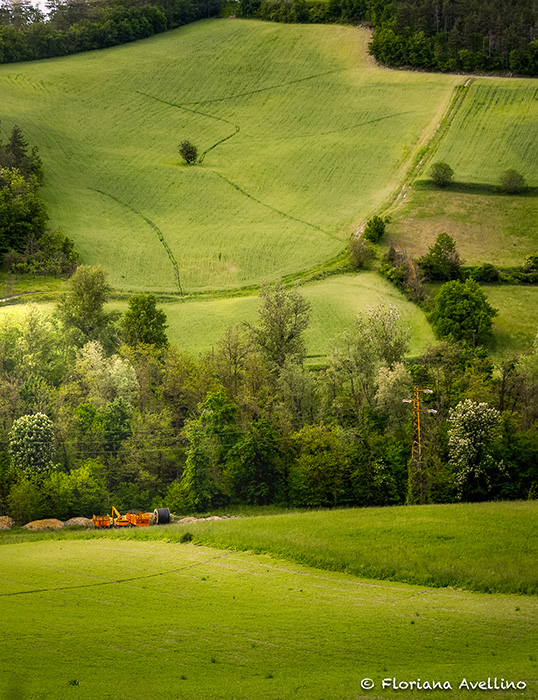
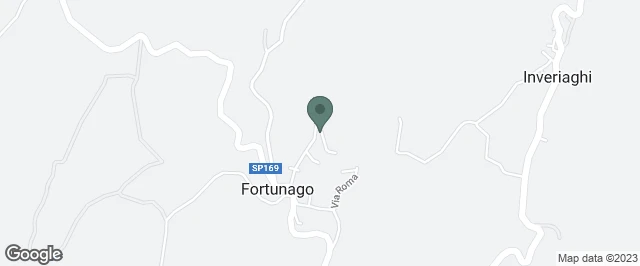
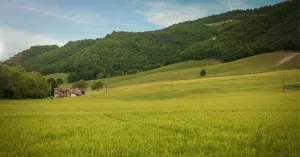
Fortunago è un comune collinare dell’Oltrepò Pavese, con una popolazione di 340 abitanti ed un territorio che si estende per 18 kmq fra le quote di 320 e 570 m slm. fra le valli Coppa, Ardivestra e Schizzola.
Il clima è temperato con precipitazioni medie annue di 1000 mm, con umidità limitata che determina livelli di comfort gradevoli per gran parte dell’anno e con temperature medie estive contenute entro i 29 C°.
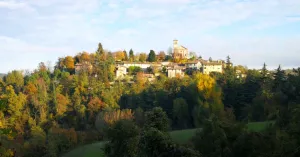
Bellissimo è il paesaggio che si ammira dai crinali di Fortunago, caratterizzato dalla presenza di strutture rocciose costituite da arenarie, rocce stabili, formate da sabbie a diverso livello di cementazione e da marne, facilmente erodibili, formate da una miscela di argille e calcari. La ricca vegetazione è il frutto del lavoro dell’uomo, che nell’area ha coltivato vigneti e cereali, ha salvaguardato il bosco, costruito abitati e tracciato percorsi viari.
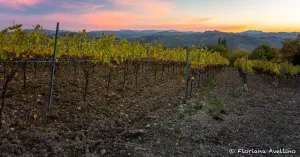
Le coltivazioni prevalenti sono il foraggio, i cereali e i prati stabili che, unitamente ai vigneti, creano pezzature di diverse forme e colori, alternati alle frequenti aree boscate di roverella, castagni, aceri, olmi.
Splendide vedute lasciano spaziare lo sguardo fra natura, borghi, castelli, campanili e, quando il vento spazza la pianura, la corona delle Alpi con il massiccio del Monte Rosa fa da cornice a questo incanto.
 Una caratteristica del territorio è la presenza diffusa di sorgenti perenni, che hanno nei secoli favorito l’insediamento nell’area e che sono segnalate dalla presenza di numerose fontane, ruscelli ed aree umide. La tradizione fa risalire lo sgorgare di sorgenti all’opera del martire San Ponzo, patrono di Fortunago.
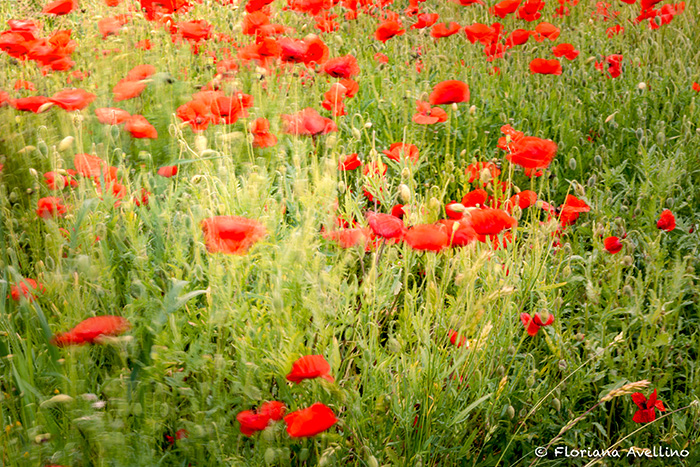
Gli antichi percorsi di accesso al borgo, sviluppati sui crinali delle valli Coppa, Ardivestra e Schizzola, attraversano aree agricole, zone boscate, aree incolte con presenza di tantissime varietà di fiori (pervinche, viole, crocus, narcisi, orchidee selvatiche…) e di arbusti (ginestre, biancospino, caprifoglio, rosa canina….). Lungo questi percorsi è frequente incontrare cerbiatti, daini, scoiattoli, volpi, tassi o imbattersi in nuvole di farfalle che nella nostra area sono presenti con un numero veramente elevato di specie.
Questo territorio, un tempo a prevalente vocazione agricola, ha creato tradizioni, prodotti e piatti tipici che un soggiorno in zona permette ancora di conoscere.
I principali piatti della tradizione sono i malfatti e la schita.
I malfatti sono gnocchetti di erbette, pane e formaggio, dalla forma affusolata, da gustare con vari tipi di condimento, dal tradizionale ragù con vari tipi di carne, al burro e salvia. Piatto povero della tradizione, le cui origini si perdono nel tempo, era nel passato considerato fondamentale dagli abitanti della zona per sfamarsi in primavera, quando le scorte di cereali e di frutta dell’anno precedente erano esaurite. La tradizione indica che qualunque nuovo germoglio primaverile spuntasse sugli alberi, era trasformato in malfatti, in attesa dei prodotti dei campi e degli orti del nuovo anno.
La schita è una focaccia di farina ed acqua da friggere sapientemente e da consumare salata (con sale o salumi) o dolce (con zucchero, marmellata e per i più giovani nella versione aggiornata con crema di nocciole). Farina ed acqua sono i soli ingredienti di questo piatto semplicissimo e delizioso, che viene oggi riproposto nelle sagre.
Alcuni prodotti tipici hanno poi assunto la Denominazione comunale (DE.CO), essendo stati riconosciuti come caratteristici del luogo. Fra questi ricordiamo:
- la carne dell’azienda Picchi, prodotta da bovini piemontesi dell’azienda, allevati all’aperto ed in parte al pascolo e con alimentazione che permette di evitare l’uso di medicinali tipici degli allevamenti intensivi;
- il “pan dolce della Costa”, tipico dolce lievitato, con uvetta e canditi, prodotto dalla panetteria Saviotti di Costa Cavalieri;
Altri prodotti locali di qualità sono:
- i vini DOC dell’azienda Gravanago di Paolo Goggi,
- i vini dell’azienda Lanfranchi di S. Eusebio,
- i vini biologici dell’azienda Castello di Stefanago,
- la birra del birrificio Stuvenagh ,
- i salumi del salumificio San Pietro di Muttoni Francesco,
- la frutta dell’azienda Sgorbini di S. Eusebio,
- i formaggi di capra dell’azienda I Germinara in loc. Porino.
Il Parco 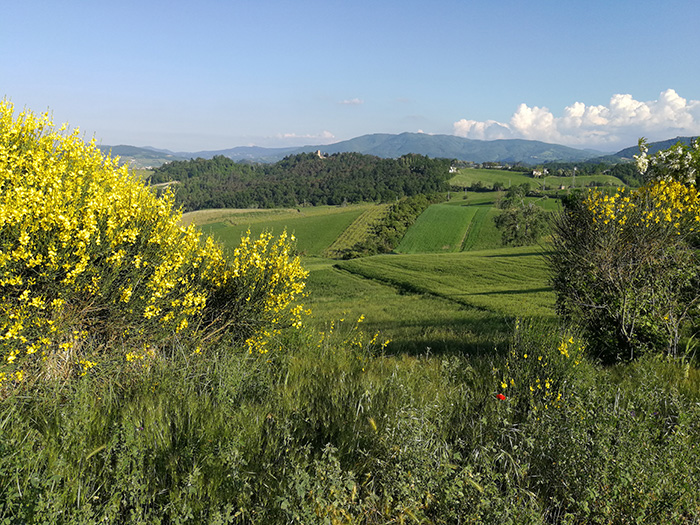
Il Parco di Fortunago, Parco locale di Interesse Sovracomunale, si estende lungo i crinali delle valli Coppa, Ardivestra e Schizzola, un tempo percorsi da importanti vie di comunicazione di cui conservano ancora i tracciati medioevali che li caratterizzavano.
Il Parco, che si sviluppa ad una quota di circa 600 m. sul livello del mare, è stato costituito per rispondere alla crescente richiesta di tutela del patrimonio naturalistico e paesaggistico presente. I campi coltivati e il confine dei boschi, assieme alle linee di impluvio, definiscono naturalmente il perimetro del Parco.
Dalla confluenza delle linee di impluvio, costituite da fossi poco profondi e da rive ampie solamente pochi metri, hanno inoltre origine le sorgenti della Schizzola e del Ghiaia di Borgoratto.
Un paesaggio ben conservato ed una natura integra con una vegetazione rigogliosa, costituita da boschi di farnia (comunemente nota come quercia), roverella, acero, pioppo bianco, orniello, castagno, ciliegio, sorbo, carpino, betulla, biancospino e altre essenze che formano il bosco di latifoglie tipico dell’alta collina.
Nidificano in questo numerose specie di rapaci e di avifauna protetta, quali la: cincia, lo zigolo, la capinera, l’usignolo, la ballerina bianca e il codirossone.
Passeggiando nel Parco, è possibile avvistare, tra i rapaci, sparvieri, poiane, assioli, civette, allocchi e il gufo comune.
E’ numerosa anche la presenza di ungulati, tra cui daini e caprioli, di piccoli mammiferi, come il moscardino, e di lepri e volpi che si spingono spesso, però, verso le zone coltivate e verso i centri abitati in cerca di cibo.
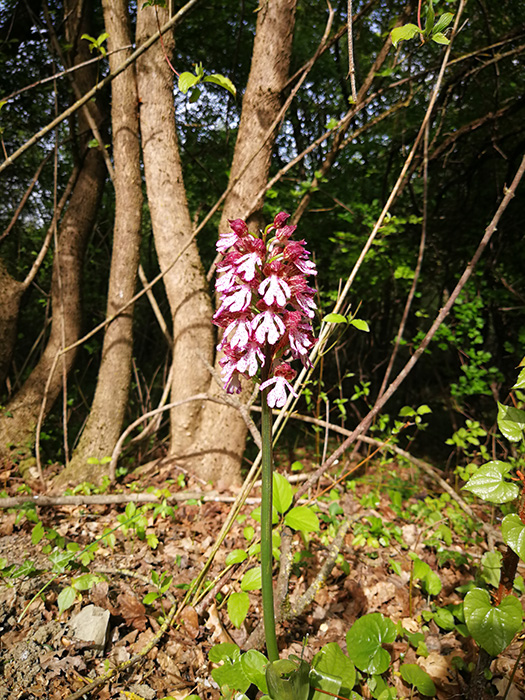 Chi visita il Parco potrà rimanere affascinato anche dalla ricchezza della flora.
Numerose sono infatti le specie protette presenti nel territorio: anemoni, orchidee, campanule, leucoio, bucaneve, mughetto, ciclamino, agrifoglio, molte qualità di erbe officinali e di frutti di sottobosco come: fragole, more, lamponi, funghi e tartufi.
Sono numerose le opportunità escursionistiche offerte dal Parco.
Sono tre i percorsi che noi consigliamo: il sentiero della Crosia, una gradevole passeggiata attorno al monte Pessina, il “Sentiero delle volpi”, che si sviluppa intorno al promontorio su cui sorge Fortunago, ed il Sentiero del parco verso il monte Chiaro, al di fuori dai soliti itinerari turistici, con un’impronta prettamente naturalistica e paesaggistica.
Senza alcun dubbio il paese di Fortunago, dominante la valle Coppa, merita una visita di conseguenza il capoluogo può essere assunto come punto di partenza delle escursioni.
L’incipit dei sentieri naturalistici si trova a Fortunago.
Il Sentiero della Crosia, con tempo di percorrenza di 35 minuti, costituisce una gradevole passeggiata alla portata di tutti. Prende avvio dalla piazza dell’Oratorio di S. Antonio e, dopo un primo tratto in salita, si sviluppa con limitati dislivelli ed un fondo stradale in parte in asfalto ed in parte con fonda bianco, che lo rende percorribile in tutte le stagioni. Si raggiunge la località Polinago e, con un percorso panoramico sul crinale fra valle Schizzola e valle Coppa, si ritorna a Fortunago.
Il Sentiero delle Volpi si raggiunge percorrendo, dalla piazza dell’Oratorio di S. Antonio in Fortunago, la strada che porta Zebedo, deviando verso destra in corrispondenza del Giardino Forestale. Qui sono allocate tutte le essenze arboree e arbustive autoctone dell'Appennino Pavese che vanno dal livello della Pianura fino alla fascia del latifoglio. Si continua poi lungo il percorso attorno all’altura su cui sorge Fortunago, con un ombreggiato percorso nel bosco, che segue antiche vie di accesso al borgo. Si incontrano le tane delle volpi, scavate nell’arenaria, con diversi punti di ingresso ed uscita, con grandi cumuli di materiale scavato a testimoniare lo sviluppo rilevante delle diverse tane. Proseguendo si giunge alla strada comunale del Busarello, che collega Borgoratto a Fortunago e lungo la quale si giunge all’area pic-nic presso il centro sportivo di Fortunago. Qui è possibile dissetarsi alla fontanella, rilassarsi all’ombra delle fronde, divertirsi nel parco giochi, sostare al bar del Circolo del Centro Sportivo.
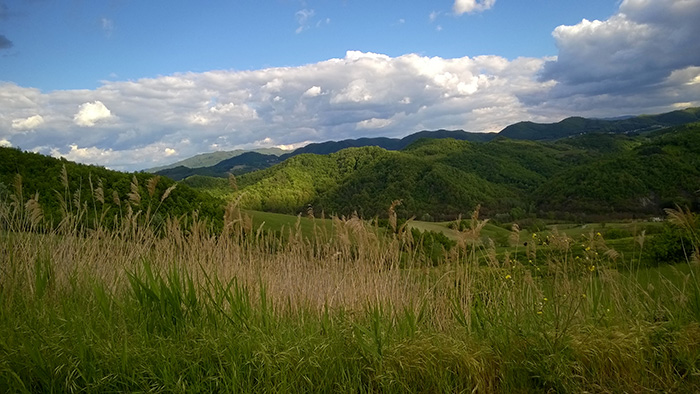 Il Sentiero del Parco, verso il monte Chiaro, si sviluppa per circa 10.500 m e prende sempre avvio dalla piazza dell’Oratorio di S. Antonio, percorrendo la strada della Crosia. Si giunge sulla strada provinciale dove si prosegue verso Gravanago. Si percorre il crinale fra le valli Schizzola e Ardivestra e lasciando la strada provinciale si sale, con un sentiero panoramico, che in primavera inebria con i profumi delle sue ginestre, verso la vetta del monte Chiaro. Si costeggia e ci si addentra in un bosco misto di querce e castagni, vestigia dell’antica foresta e, giunti in vetta, è bello far spaziare lo sguardo sulle colline, alla ricerca di punti di interesse, di campanili, di borghi, di castelli. Si prosegue quindi per il grazioso borgo di Gravanago, per una sosta in agriturismo e si ritorna verso Fortunago, passando da S. Eusebio, giungendo a Ponticelli, antica cascina con abitazioni in pietra, chiesetta e stalle risalenti al secolo XII. Proseguendo verso Molino della Signora, si sale alla vecchia Casa Perini, attraversando prati e vigneti tipici del luogo, per ritornare a Fortunago passeggiando sul crinale della valle Coppa.
Il tragitto corre per lunghi tratti in quota, richiede un limitato sforzo fisico, ma appaga di gran lunga l’escursionista grazie alla spettacolare vista panoramica che offre sulle valli.
Inoltre, grazie alla presenza di molti capanni di osservazione collocati nell’area del Parco, è possibile avvistare alcuni animali ed effettuare birdwatching e riprese fotografiche.
Volete acquistare prodotti locali, pranzare e cenare con piatti tipici, soggiornare a Fortunago? Qui di seguito tutti i servizi che potete trovare:
DOVE MANGIARE A FORTUNAGO
DOVE SOGGIORNARE A FORTUNAGO
DOVE ACQUISTARE PRODOTTI TIPICI A FORTUNAGO
DOVE FARE UNO SPUNTINO
Inoltre, potete sostare nell’area pic-nic, giocare a calcetto, ping-pong, bocce nel Centro Sportivo con annesso Bar del Circolo.